Cessna 172F Rheostat (No Knob)
Cessna 172F Rheostat (No Knob)
Blog Article
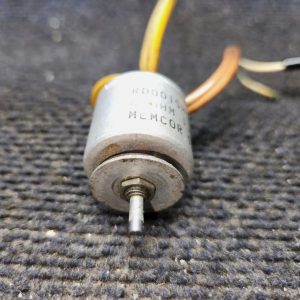
The Cessna 172F Rheostat (No Knob)
Accurate use of Cessna 172F Rheostat, Cessna 172F Lighting Rheostat, and Cessna 172F Panel Light Rheostat terminology improves search relevance without overstating fitment.
Whether described as a Cessna 172F Cockpit Dimmer, Cessna 172F Instrument Light Control, Cessna Instrument Panel Rheostat, or Cessna Cockpit Lighting Control, exact circuit verification remains essential.
Whether buyers need an Aircraft Lighting Rheostat, Aircraft Panel Light Dimmer, Aviation Lighting Control Rheostat, or Aircraft Instrument Lighting Control, professional evaluation should precede use.
Whether buyers seek Cessna 172F Electrical Parts, a Cessna 172F Dimmer Switch, Cessna Panel Lighting Control, or a Cessna Aircraft Rheostat, every component should be identified individually.
Understanding P/N RD0015H1600JBC
A component should not be accepted as RD0015H1600JBC solely because it resembles the original panel-light control.
Any manufacturer logo, electrical rating, production code, serial marking, repair label, or donor-aircraft information should remain associated with the component.
Completing the Panel Lighting Control
The original knob can provide a useful dimensional and style reference when it remains available.
The replacement knob should attach securely without damaging the shaft, binding the rheostat, or contacting the panel surface.
Purpose of the Panel Light Rheostat
System-level understanding supports more accurate troubleshooting and replacement.
Lighting problems can also result from lamps, wiring, grounds, connectors, circuit protection, or damaged panel components.
Cessna 172F Electrical Compatibility
Production changes, previous panel modifications, lighting upgrades, replacement wiring, and modern avionics installations can affect the required control.
Qualified maintenance personnel should determine the acceptable installation configuration.
Checking Mounting Threads and Control Movement
Inspection should begin with the component clean enough to reveal cracks, corrosion, heat discoloration, damaged threads, bent shafts, missing insulation, contamination, and previous repair.
Mounting threads, nuts, washers, anti-rotation features, and panel-contact surfaces should be examined for wear or damage.
Checking Panel Lighting Connections
Terminal arrangement should be photographed and documented before the original component is disconnected.
Wiring should be routed away from sharp edges, moving controls, heat sources, and locations where vibration can cause chafing.
Rheostat Resistance and Continuity Testing
A low-current meter test can reveal basic electrical behavior but may not establish performance under the installed lighting load.
Qualified electrical evaluation supports responsible use of the Aviation Lighting Control Rheostat.
Avoiding Unnecessary Rheostat Replacement
The complete lighting system should be inspected before the rheostat is identified as the only failed component.
System-level diagnosis supports a dependable Cessna 172F Panel Light Rheostat repair.
Preserving Cockpit Appearance and Function
Careful restoration can preserve cockpit character while improving maintenance organization.
Professional restoration supports both presentation and practical cockpit operation.
Managing Electrical Parts Inventory
Organized inventory management supports a more efficient Cessna 172F electrical project.
Used Cessna 172F Electrical Parts should be inspected individually rather than accepted solely because they originated from the same aircraft.
Repairing or Replacing a Cessna Rheostat
Repair should not be selected solely because an original component is difficult to replace.
Opening the rheostat body without appropriate expertise can disturb internal contacts, insulation, windings, stops, seals, or calibration characteristics.
Rheostat Purchase Considerations
Components with clear donor-aircraft information, current photographs, and transparent test descriptions are easier for professional buyers to evaluate.
Transparent commercial information supports responsible Cessna Aircraft Rheostat transactions.
Inspecting the Rheostat Before Purchase
The seller should provide photographs showing the housing, shaft, mounting threads, terminals, markings, attached wiring, damage, and repaired areas.
- Resolve identity, electrical compatibility, fitment, and package-completeness questions before payment.
- Inspect the component for corrosion, heat discoloration, burned terminals, cracked insulation, bent shaft, damaged threads, loose housing, rough movement, contamination, and previous repairs.
- Confirm the invoice, payment protection, packaging method, shipping insurance, inspection period, return conditions, and stated test status.
Safe Handling of RD0015H1600JBC
Loose nuts, washers, terminals, or wiring pieces should be packaged and labeled separately.
Test records and identification information should remain associated with the component.
Fitting P/N RD0015H1600JBC
The electrical system should be secured appropriately before the original control is disconnected.
Wires should connect firmly without creating excessive side load on the terminals.
P/N RD0015H1600JBC.
Maintaining the Cessna 172F Lighting Control
Repeated cycling should not replace proper electrical troubleshooting.
Preventive maintenance protects both the rheostat and surrounding aircraft electrical systems.
Selecting an Aircraft Lighting Control Rheostat
P/N RD0015H1600JBC can provide valuable maintenance, restoration, troubleshooting, or spare-inventory potential when its identity, specifications, condition, and compatibility are verified.
Careful technical and commercial evaluation Cessna 172F Rheostat can reduce wiring errors, incompatible dimming behavior, missing-knob costs, installation delays, overheating, and unexpected electrical faults.
Whether buyers need a Cessna 172F Instrument Light Control, Cessna Instrument Panel Rheostat, Cessna Cockpit Lighting Control, or Aircraft Lighting Rheostat, circuit-specific compatibility should be verified.
With transparent test status, protected shipping, correct fitment, a suitable knob, and qualified maintenance review, the component can support a professional Cessna 172F project.
Report this page